


Why Trademark Protection Matters in the Fragrance Industry: The Truth Behind “Inspired By” Perfumes

The perfume world is full of creativity, luxury, and competition—but it’s also filled with confusion. If you’ve ever walked into a store or browsed online and seen perfumes labeled “similar to” or “inspired by” major luxury brands, you may have wondered: Is that even legal? If you’re a brand owner—or an entrepreneur considering entering the […]
U.S. Federal Government Shutdown: Impacts on Trademark and Copyright Filings
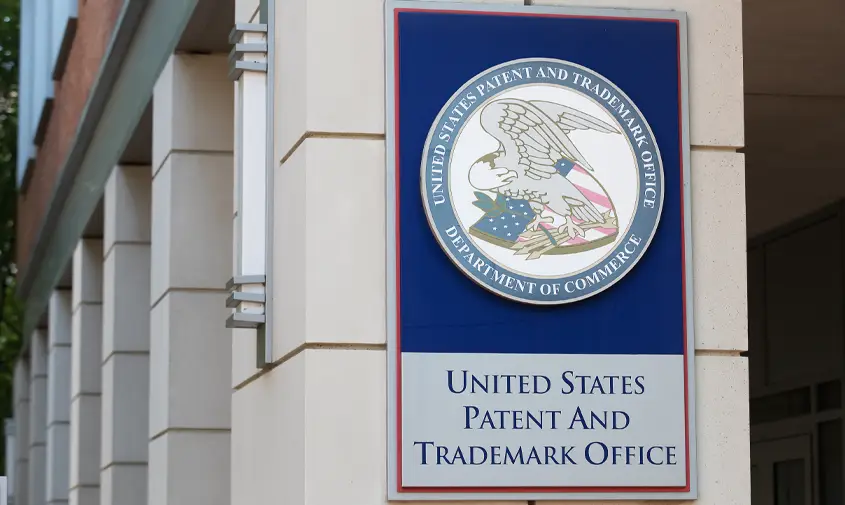
As the U.S. federal government experiences a lapse in funding, many agencies have adjusted or suspended operations. Below is an update on how the shutdown affects trademark and copyright filings. Trademark Filings – USPTO Remains Open and Fully Operational The United States Patent and Trademark Office (USPTO) has confirmed that it will continue normal operations […]
Why the Trademark “FUCK” Was Denied—and Why This Isn’t FUCT All Over Again.
In a sharply divided opinion issued on August 26, 2025, the U.S. Court of Appeals for the Federal Circuit (CAFC) vacated and remanded the Trademark Trial and Appeal Board’s (TTAB) refusal to register Erik Brunetti’s proposed trademark: the word FUCK. The decision revisits a familiar name in trademark law—Brunetti—who previously brought FUCT to the Supreme […]
Can You Trademark Your Canva Logo? Here’s What You Need to Know.
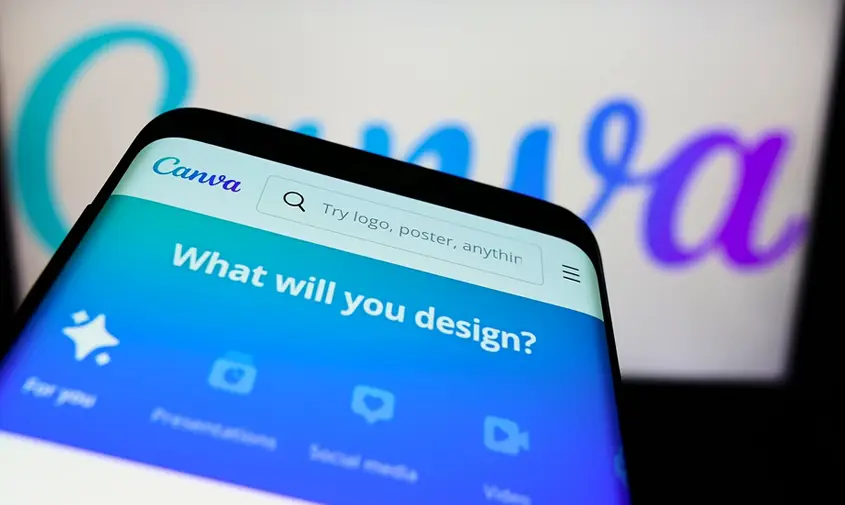
Can You Trademark Your Canva Logo? Here’s What You Need to Know. ® ™ If you’ve designed a logo with Canva, you might be wondering whether you can legally trademark it. This is a great question because while Canva makes design accessible, the platform has specific Terms of Use that affect how you can protect […]
Is There Such a Thing as a Global Trademark?
If you’re expanding your business internationally, protecting your brand is likely top of mind. A common question I hear from clients is: “Can I get a global trademark?” The short answer: No, there is no single trademark registration that automatically covers the entire world. Why Not? Trademark rights are territorial, meaning they are only […]
Can Using Competitor Trademarks in Google Ads Keywords Lead to Legal Trouble?
In the highly competitive landscape of digital marketing, it’s not uncommon for businesses to bid on their competitors’ brand names as keywords in Google Ads. It might seem like a clever strategy to capture traffic from users already searching for a similar product or service—but is it legal? Let’s break down the legal and strategic […]
Why You Can’t Trademark “Tequila” (And Soon, Not Even “Mezcal”)
If you’re in the spirits business and thinking of building a brand around “Tequila” or “Mezcal,” there’s an important legal roadblock you need to understand. In the U.S., these terms aren’t just generic descriptions of alcoholic beverages—they’re protected certification marks tied to geographic origin and quality standards. That means you can’t simply slap “Tequila” into […]
Trademark Fee Changes Now in Effect: USPTO Implements New Structure as of January 18, 2025.
The United States Patent and Trademark Office (USPTO) has officially implemented a revised trademark fee structure, which went into effect on Saturday, January 18, 2025. These changes impact a variety of trademark processes, including application filings, intent-to-use filings, and post-registration maintenance. Whether you are managing pending trademarks or maintaining registered marks, it is crucial to understand […]
President Biden Signs the “No Stolen Trademarks Honored in America Act of 2023” into Law
On December 2, 2024, President Joe Biden signed into law H.R. 1505, the “No Stolen Trademarks Honored in America Act of 2023,” an important measure to protect intellectual property rights and address the legacy of trademarks confiscated during government seizures, particularly in Cuba. This legislation strengthens prohibitions against enforcing or validating trademarks connected to confiscated […]
Can I be liable if I sell Halloween costumes with famous brands and characters?
Whether a Halloween costume infringes on trademark or copyrights depends on several factors, including the specific design of the costume, its branding, and how it’s marketed. This applies to the commercialization of costumes, no to personal use. Use of Copyrighted or Trademarked Characters or Logos Risk of Infringement: If a costume directly replicates a character’s distinct […]